

A dialogue between geographies and cultures
The combination of culture and geography is a hallmark of the Baroque Blue model. Enhancing the tangible and intangible heritage of Salento involves planning exclusive projects with the aim of offering a full immersion residency experience through ecotourism, workshops, welfare, events, and contemporary art that promote social cohesion.
The starting point is the natural or urban landscape, history, and culture of the Puglia region as interpreted by international artists and authors. Through immersive experiences in nature, artists learn the importance of environmental conservation and how their daily actions can contribute to protecting the planet. The intent is to encourage respectful and authentic cultural exchange, promoting the intangible heritage of the places visited.
A dialogue between geographies and cultures
The combination of culture and geography is a hallmark of the Baroque Blue model. Enhancing the tangible and intangible heritage of Salento involves planning exclusive projects with the aim of offering a full immersion residency experience through ecotourism, workshops, welfare, events, and contemporary art that promote social cohesion.
The starting point is the natural or urban landscape, history, and culture of the Puglia region as interpreted by international artists and authors. Through immersive experiences in nature, artists learn the importance of environmental conservation and how their daily actions can contribute to protecting the planet. The intent is to encourage respectful and authentic cultural exchange, promoting the intangible heritage of the places visited.


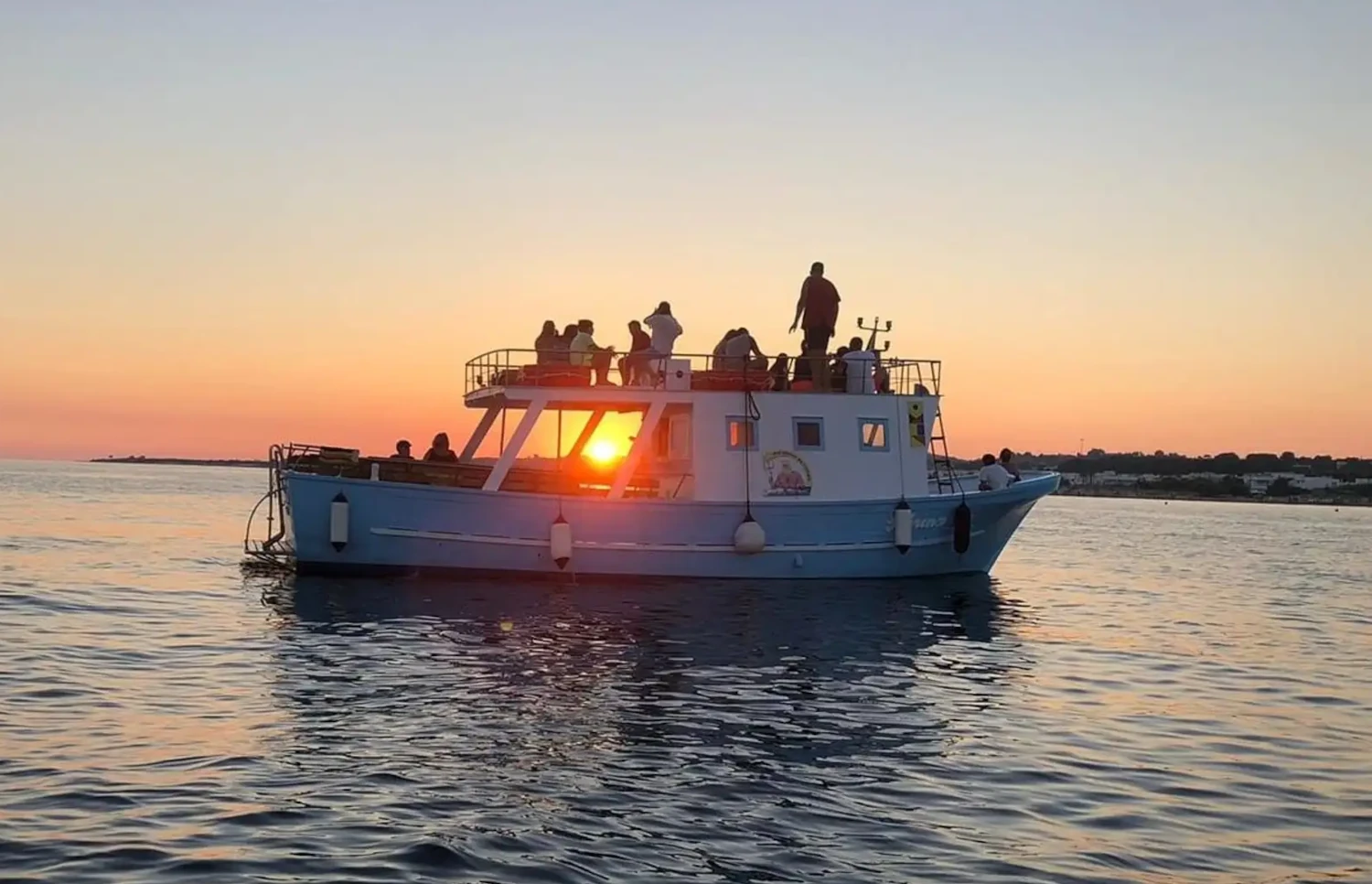


Eco-tourism and sustainability practices
- Cultural eco-tourism – Focuses on the history of places and myths that contribute to tangible and intangible heritage.
- Hiking eco-tourism – This is nature-based, responsible tourism that combines activities such as trekking, educational walks, and cycling.
- Scientific ecotourism – Through themed itineraries, it is possible to visit archaeological sites on land and underwater, the network of coastal towers, and lighthouses.
- Rural ecotourism – Offers the opportunity to immerse oneself in the daily life of farms or rural communities through activities related to sustainable agriculture.
- Eco-symbolism – Offers a program on symbolism related to the plant world, the animal world, the cosmos, myth, and art from all eras.
- Eco-shamanism – Considers shamanic practices in relation to the environment, nature, and the earth and promotes a more sustainable approach to life.
Eco-tourism and sustainability practices
- Cultural eco-tourism – Focuses on the history of places and myths that contribute to tangible and intangible heritage.
- Hiking eco-tourism – This is nature-based, responsible tourism that combines activities such as trekking, educational walks, and cycling.
- Scientific ecotourism – Through themed itineraries, it is possible to visit archaeological sites on land and underwater, the network of coastal towers, and lighthouses.
- Rural ecotourism – Offers the opportunity to immerse oneself in the daily life of farms or rural communities through activities related to sustainable agriculture.
- Eco-symbolism – Offers a program on symbolism related to the plant world, the animal world, the cosmos, myth, and art from all eras.
- Eco-shamanism – Considers shamanic practices in relation to the environment, nature, and the earth and promotes a more sustainable approach to life.
A dialogue between geographies and cultures
The combination of culture and geography is a hallmark of the Baroque Blue model. Enhancing the tangible and intangible heritage of Salento involves planning exclusive projects with the aim of offering a full immersion residency experience through ecotourism, workshops, welfare, events, and contemporary art that promote social cohesion.
The starting point is the natural or urban landscape, history, and culture of the Puglia region as interpreted by international artists and authors. Through immersive experiences in nature, artists learn the importance of environmental conservation and how their daily actions can contribute to protecting the planet. The intent is to encourage respectful and authentic cultural exchange, promoting the intangible heritage of the places visited.
A dialogue between geographies and cultures
The combination of culture and geography is a hallmark of the Baroque Blue model. Enhancing the tangible and intangible heritage of Salento involves planning exclusive projects with the aim of offering a full immersion residency experience through ecotourism, workshops, welfare, events, and contemporary art that promote social cohesion.
The starting point is the natural or urban landscape, history, and culture of the Puglia region as interpreted by international artists and authors. Through immersive experiences in nature, artists learn the importance of environmental conservation and how their daily actions can contribute to protecting the planet. The intent is to encourage respectful and authentic cultural exchange, promoting the intangible heritage of the places visited.
Eco-tourism and sustainability practices
- Cultural eco-tourism – Focuses on the history of places and myths that contribute to tangible and intangible heritage.
- Hiking eco-tourism – This is nature-based, responsible tourism that combines activities such as trekking, educational walks, and cycling.
- Scientific ecotourism – Through themed itineraries, it is possible to visit archaeological sites on land and underwater, the network of coastal towers, and lighthouses.
- Rural ecotourism – Offers the opportunity to immerse oneself in the daily life of farms or rural communities through activities related to sustainable agriculture.
- Eco-symbolism – Offers a program on symbolism related to the plant world, the animal world, the cosmos, myth, and art from all eras.
- Eco-shamanism – Considers shamanic practices in relation to the environment, nature, and the earth and promotes a more sustainable approach to life.
Eco-tourism and sustainability practices
- Cultural eco-tourism – Focuses on the history of places and myths that contribute to tangible and intangible heritage.
- Hiking eco-tourism – This is nature-based, responsible tourism that combines activities such as trekking, educational walks, and cycling.
- Scientific ecotourism – Through themed itineraries, it is possible to visit archaeological sites on land and underwater, the network of coastal towers, and lighthouses.
- Rural ecotourism – Offers the opportunity to immerse oneself in the daily life of farms or rural communities through activities related to sustainable agriculture.
- Eco-symbolism – Offers a program on symbolism related to the plant world, the animal world, the cosmos, myth, and art from all eras.
- Eco-shamanism – Considers shamanic practices in relation to the environment, nature, and the earth and promotes a more sustainable approach to life.
